Payment Orchestration for PSPs That Scales
Payment orchestration for PSPs improves approval rates, controls routing and settlements, and gives payment firms a faster path to global scale safely.

A PSP can add its tenth provider and still lose revenue on the same transaction problems: issuer declines, unavailable local methods, slow failover, fragmented fraud decisions, and settlement files that do not match merchant expectations. Payment orchestration for PSPs turns that provider sprawl into an operating model. It gives payment firms a controlled layer for routing, risk, merchant configuration, reporting, and reconciliation without forcing every merchant integration to change.
For PSPs serving iGaming, crypto, forex, marketplaces, or cross-border e-commerce, this is not a checkout feature. It is the infrastructure that determines whether the business can protect approvals, launch in a new market, and maintain control as transaction volume rises.
What payment orchestration for PSPs actually does
Payment orchestration sits between a PSP's merchant-facing payment experience and the providers, acquirers, banks, wallets, alternative payment methods, and fraud services behind it. A well-designed orchestration layer normalizes those integrations into one API and one set of operational rules.
That distinction matters. A basic payment gateway can pass a transaction from point A to point B. An orchestration platform evaluates where the transaction should go, whether it should be retried, which payment method is appropriate, what risk checks apply, and how the result should appear in the merchant's reporting and settlement workflow.
The platform should preserve a consistent transaction model even when each provider has different fields, status codes, authentication flows, refund behavior, webhook formats, and payout schedules. Merchants receive a stable integration. The PSP can change its provider mix, add local rails, or adjust routing logic without asking every merchant to rebuild.
For a high-volume PSP, this is the difference between managing integrations and managing payment performance.
Routing must be commercial, not random
Smart routing is often reduced to a simple claim: send transactions to the cheapest provider. Cost matters, but lowest processing cost is rarely the right decision on its own. A route with a lower fee but materially weaker approval rates can cost far more in abandoned deposits, failed subscriptions, and merchant churn.
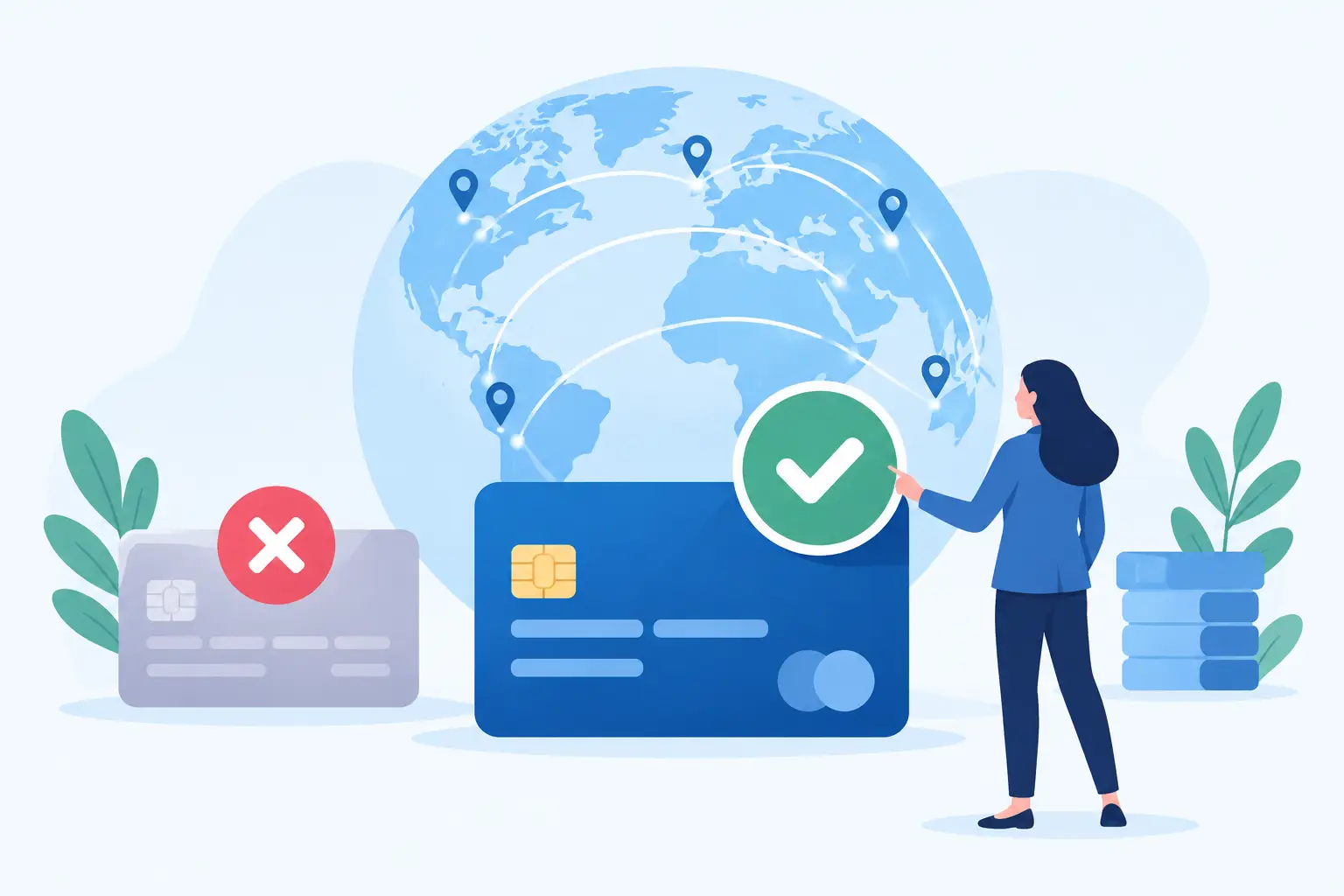
Effective routing combines live provider availability with commercial and risk parameters. It can consider card BIN, issuer country, transaction currency, payment method, merchant category, customer history, transaction amount, time of day, acquirer performance, and provider-level limits. Rules may prioritize a domestic acquirer for local cards, a specific wallet for a regional audience, or a dedicated processor for a higher-risk merchant segment.
Failover needs the same discipline. Retrying every decline through another provider can create duplicate charges, increase costs, and trigger issuer suspicion. A PSP needs decline-aware retry rules that distinguish technical failures from hard issuer declines, insufficient funds, suspected fraud, authentication failures, and blocked merchant categories. The right second attempt may be another acquirer, a different payment method prompt, or no retry at all.
Routing also needs governance. Operations teams should be able to define merchant-level rules, monitor route performance, and roll back a change quickly. Product and risk teams need an audit trail that explains why a transaction took a particular path. If routing rules are hidden inside custom code, every commercial change becomes an engineering request and every incident takes longer to investigate.
One control plane for merchants and providers
PSPs do not operate one payment profile. They operate many: merchants with different countries, currencies, verticals, risk appetites, settlement terms, payment-method configurations, and provider contracts. An orchestration platform must model that complexity rather than flatten it.
The control plane should let a PSP configure provider access, routing priorities, fees, limits, currencies, and payment methods at merchant or sub-merchant level. It should also support role-based access for operations, finance, risk, support, and merchant users. A merchant should see the tools and reports relevant to its business without gaining visibility into the PSP's full provider network.
This becomes particularly valuable for merchant aggregators and white-label payment businesses. They can create distinct merchant environments under their own brand, domain, visual identity, and commercial terms while keeping the core infrastructure centralized. The PSP retains ownership of the relationship and the operating rules rather than becoming a reseller of someone else's front end.
ZepoPay is built around this model, combining a white-label merchant environment with access to 75+ providers and 250+ payment methods through a single integration layer.
Risk decisions need payment context
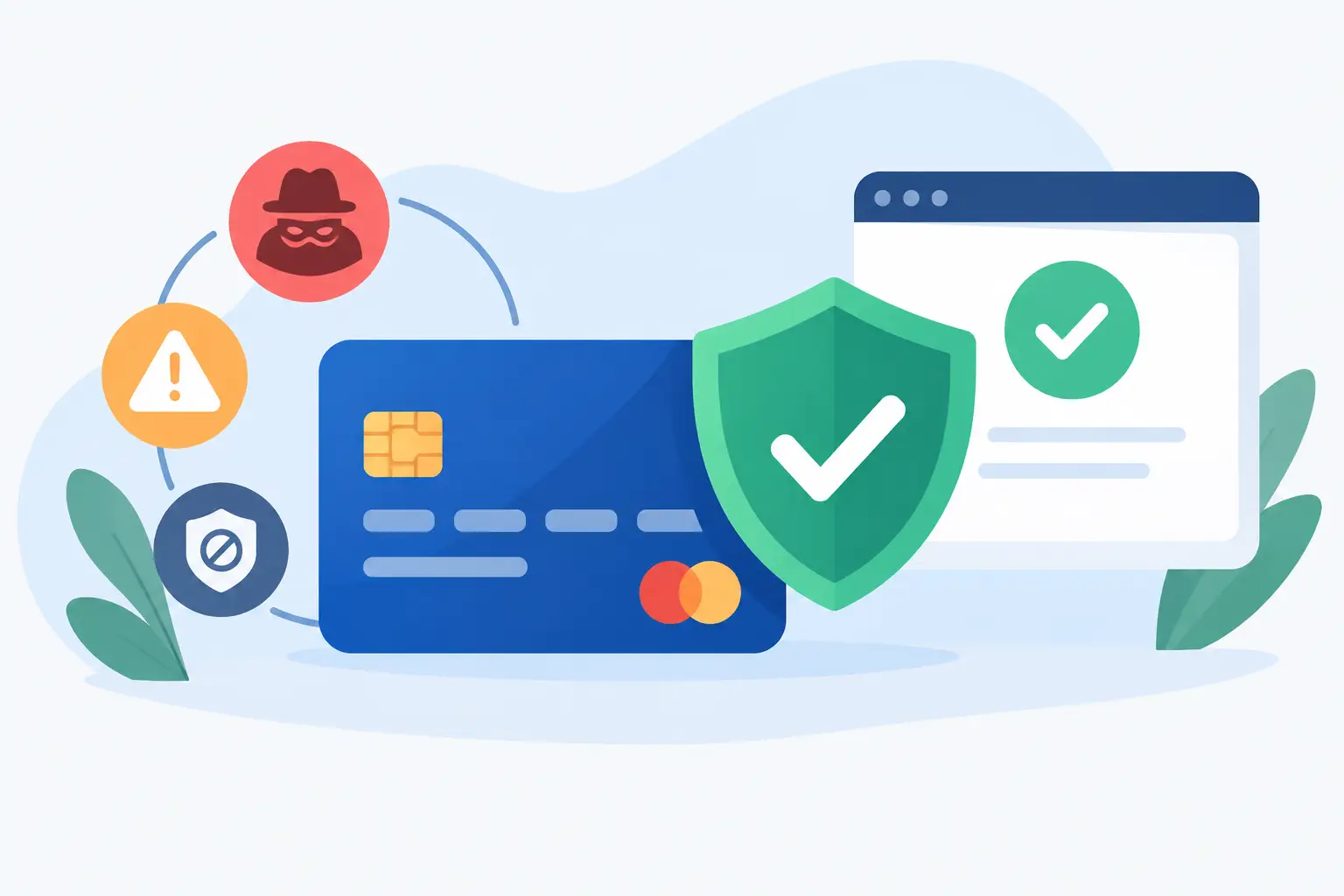
Fraud tooling is only as useful as the context it receives. A standalone fraud score may identify suspicious behavior, but a PSP also needs to know which payment route, merchant category, customer behavior, device signal, and local method were involved. Orchestration creates a place to apply those decisions consistently before authorization, during payment execution, and after a transaction is completed.
For high-risk sectors, generic rules are insufficient. iGaming businesses face deposit abuse, bonus exploitation, account takeover, friendly fraud, and chargebacks shaped by player behavior. Crypto and forex platforms face their own patterns around rapid funding, identity mismatch, unusual transaction velocity, and withdrawal risk. Rules must be configurable by merchant, geography, payment method, and customer segment.
Shared fraud intelligence can strengthen that defense when it is applied with appropriate controls. Repeated bad actors often move between merchants, brands, and payment methods. Identifying recurring device, behavioral, or payment patterns can help stop abuse earlier, before it becomes a chargeback or a provider relationship problem.
The trade-off is clear: aggressive controls can reduce fraud while also creating false positives. PSPs should measure approval rates, fraud rates, chargeback rates, manual-review outcomes, and customer friction together. Risk optimization is not a single threshold. It is continuous tuning against commercial outcomes.
Settlements and reconciliation cannot be an afterthought
Authorization performance gets attention because it is visible in real time. Settlement operations often become the bigger scaling problem. Providers settle on different schedules, use different fee structures, report in different currencies, and reverse transactions on different timelines. If finance teams are reconciling files manually across multiple processors, a growing provider network creates operational risk faster than it creates revenue.
Payment orchestration should standardize transaction records from authorization through capture, refund, chargeback, payout, and settlement. Finance teams need a ledger-oriented view that can match provider data to merchant balances, fees, reserves, and payout instructions. Merchants need transparent reporting that explains what was processed, what was settled, what remains pending, and why.
This is also where multi-currency complexity becomes real. A PSP may accept a payment in one currency, settle from an acquirer in another, charge a merchant in a third, and pay out on a market-specific schedule. The platform must make the economics visible. Otherwise, margin leakage hides inside FX, provider fees, chargeback costs, and manual exceptions.
Build versus deploy: the real decision
Some PSPs can build an orchestration layer internally. If the company has a mature payments engineering team, stable provider relationships, a long product runway, and the capacity to maintain integrations indefinitely, custom infrastructure may be justified. Even then, the commitment is larger than the initial API build. It includes provider certification, monitoring, security maintenance, webhook handling, data normalization, merchant tooling, reporting, routing interfaces, incident response, and constant adaptation to changing payment rails.
For many firms, buying or licensing a deployable platform is the more commercial decision. The goal is not to avoid technical ownership. It is to concentrate technical ownership on the workflows that differentiate the PSP: merchant acquisition, vertical expertise, risk strategy, pricing, local distribution, and service quality.
A viable platform should provide more than connector count. Assess how quickly new providers can be enabled, whether routing is configurable without code, how merchant hierarchy is managed, what settlement tooling exists, how fraud rules are applied, and whether the full experience can operate under your brand. Architecture matters too. Modern services, API-first design, containerized deployment, real-time event handling, strong identity controls, and resilient data stores determine whether a platform can support real operational load.
How to introduce orchestration without disrupting revenue
The safest migration is rarely a big-bang replacement. Start with a defined payment corridor, merchant group, or provider consolidation project. Baseline approval rates, latency, provider errors, fraud outcomes, chargebacks, settlement exceptions, and support volume before changing traffic.
Next, normalize transaction states and merchant configurations. Inconsistent status mapping is a common source of reporting disputes during migration. Then move traffic gradually using controlled routing rules and measurable success criteria. Keep the existing path available until the new flow proves its performance under normal and peak conditions.
The final step is operational ownership. Give payments operations the ability to manage approved rule changes, give risk teams visibility into decision outcomes, and give finance a reconciliation process that does not depend on spreadsheet recovery. Orchestration delivers its value when it becomes the system of control, not merely another connector layer.
PSPs do not win global payment volume by collecting more integrations. They win by deciding, with precision and speed, how each transaction, merchant, and settlement flow should perform. Build that control early, and expansion becomes an operating decision rather than an infrastructure emergency.