How to Launch a White Label Payment Gateway
Learn how to launch a white label payment gateway with branded operations, smart routing, risk controls, and global payment coverage at scale worldwide.

A payment business can lose months to integrations before it processes its first transaction. Every new acquirer, wallet, bank-transfer rail, fraud tool, and reconciliation workflow adds engineering and operational overhead. To launch a white label payment gateway without inheriting that delay, the platform must be more than a branded checkout page. It must operate as the commercial and technical control center for payments.
For PSPs, iGaming operators, merchant aggregators, crypto businesses, and forex brokers, the launch decision is fundamentally about control. You need your own brand, domain, merchant terms, workflow rules, and reporting environment. You also need the infrastructure beneath that brand to route transactions intelligently, manage risk at scale, and keep adding payment options without rebuilding the stack.
What a White Label Gateway Must Actually Deliver
A white label gateway should let you take a payment platform to market under your own identity while the underlying infrastructure is supplied and maintained by a technology partner. That definition is straightforward. The operational standard is much higher.
A viable platform needs to unify payment providers, acquiring connections, alternative payment methods, cards, wallets, bank transfers, and crypto through one API. It should give your team a merchant operations environment for onboarding, transaction monitoring, refunds, disputes, settlements, reporting, and support. If those processes still require multiple disconnected back offices, spreadsheets, and provider dashboards, the platform is not reducing complexity. It is merely putting a new interface on top of it.
The commercial value comes from owning the merchant relationship and the operating model. You define the service proposition, commercial terms, payment portfolio, and geographic strategy. The infrastructure provider handles the difficult payment plumbing, security maintenance, platform reliability, and ongoing connector work.
That division of responsibility can dramatically shorten time to market. It does not remove the need for careful decisions about licensing, underwriting, risk appetite, settlement exposure, and local market requirements. A fast technical deployment is valuable only when the operating model behind it is ready to process real volume.
Start With the Payment Business You Are Building
Before selecting providers or designing a branded portal, define what your gateway will be expected to do in its first market and six months later. A PSP serving standard e-commerce merchants needs a different configuration than an iGaming payment operation handling rapid deposits, withdrawals, bonuses, and elevated chargeback pressure. A crypto exchange may prioritize wallet coverage, card acceptance, and transaction monitoring, while a forex broker may focus on recurring deposits, regional methods, and payout speed.
This is where many launches become expensive. Teams select integrations based on long provider lists rather than transaction behavior. The relevant question is not whether a payment method is available. It is whether that method improves conversion, approval rates, payout reliability, or customer trust for a specific merchant segment and country.
Set practical design parameters early: target countries, merchant verticals, expected monthly volume, average transaction values, supported currencies, deposit and payout flows, settlement cycles, and acceptable fraud exposure. These inputs determine the routing rules, provider mix, risk configuration, and support procedures your business needs.
Build Around Orchestration, Not a Single Provider
A gateway tied to one acquirer or processor creates a concentration risk. Approval performance can change, an integration can go offline, local coverage may be limited, or a provider may alter its risk appetite. For high-volume businesses, payment continuity is a revenue issue.
Payment orchestration gives the gateway a decision layer between the merchant and the available payment providers. It can direct transactions using rules based on geography, currency, card type, transaction amount, historical approval performance, merchant category, and provider availability. When configured well, routing protects conversion while giving operations teams visibility into why a payment went to a particular rail.
Smart routing should not mean blindly sending every declined transaction through repeated retries. Excessive retries can increase fees, create poor customer experiences, and trigger issuer or acquirer concern. A better approach uses controlled retry logic, fallback routes, and issuer-response intelligence. The objective is to recover valid transactions without turning decline management into a fraud or compliance problem.
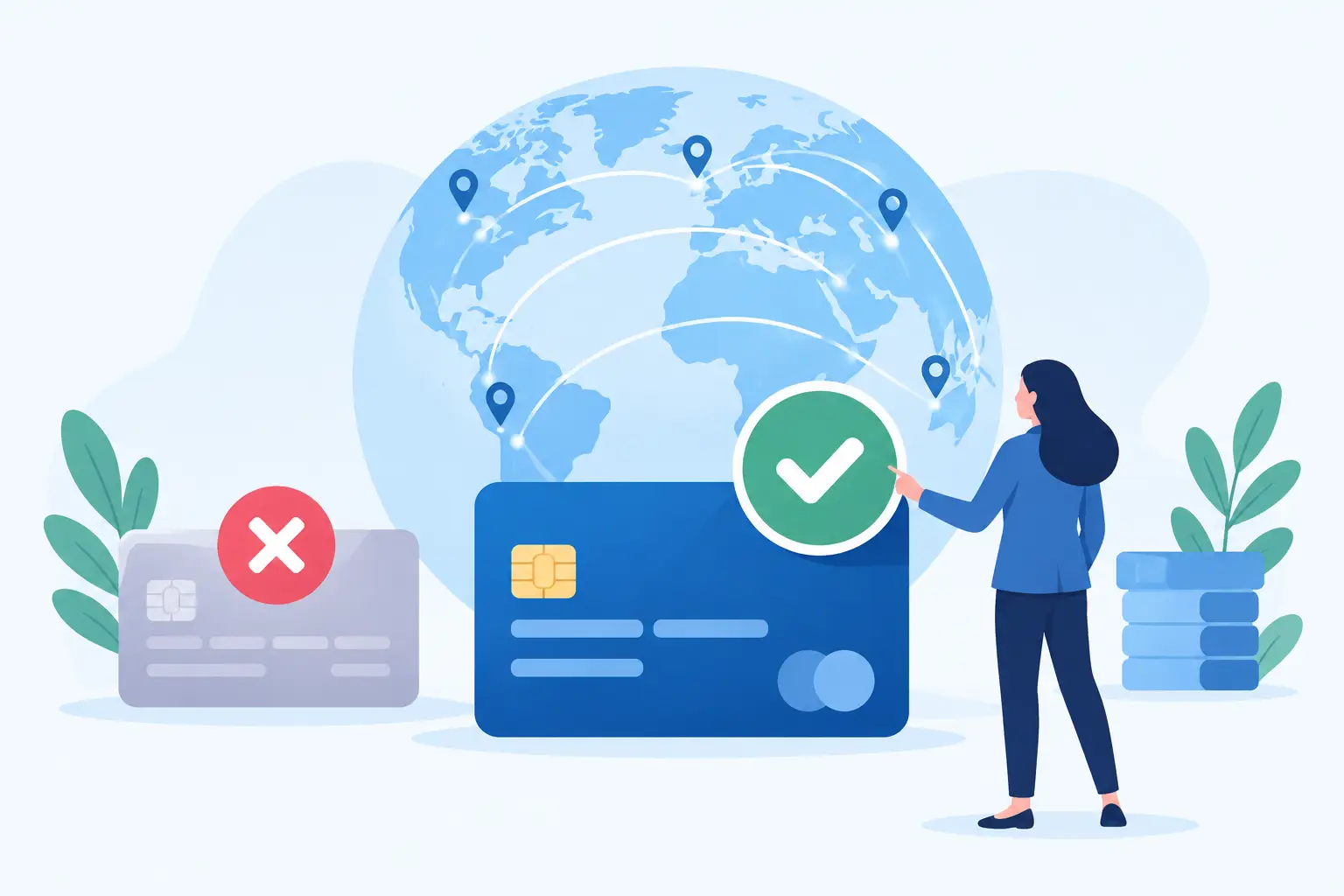
For global expansion, orchestration also makes local payment methods commercially manageable. Cards remain essential, but they are not the only route customers expect. Bank transfers, mobile wallets, regional alternative methods, and crypto can materially affect conversion depending on the market. A gateway that exposes these options through one integration reduces the technical cost of entering new territories.
Brand the Entire Operating Environment
A credible white label launch extends beyond the payment page. Merchants and internal teams should experience your company, not the infrastructure vendor, across onboarding, dashboards, notifications, reporting, and support workflows.
That means controlling the domain, visual identity, communication templates, merchant-facing portal, and service terms. It also means being able to configure merchant hierarchies, user roles, permissions, payment methods, fees, limits, and settlement logic. These are not cosmetic requirements. They define whether your business can serve different merchant profiles without creating manual exceptions for every account.
The merchant back office deserves particular attention. Operations teams need real-time transaction search, clear status histories, refund and chargeback tools, balance and settlement views, and exportable reporting. Finance teams need consistent reconciliation across providers. Risk teams need alerts, case management, and the ability to act quickly when patterns change. A branded portal without these operating controls creates a support burden that grows with every merchant onboarded.
Make Risk Controls Part of the Launch Plan
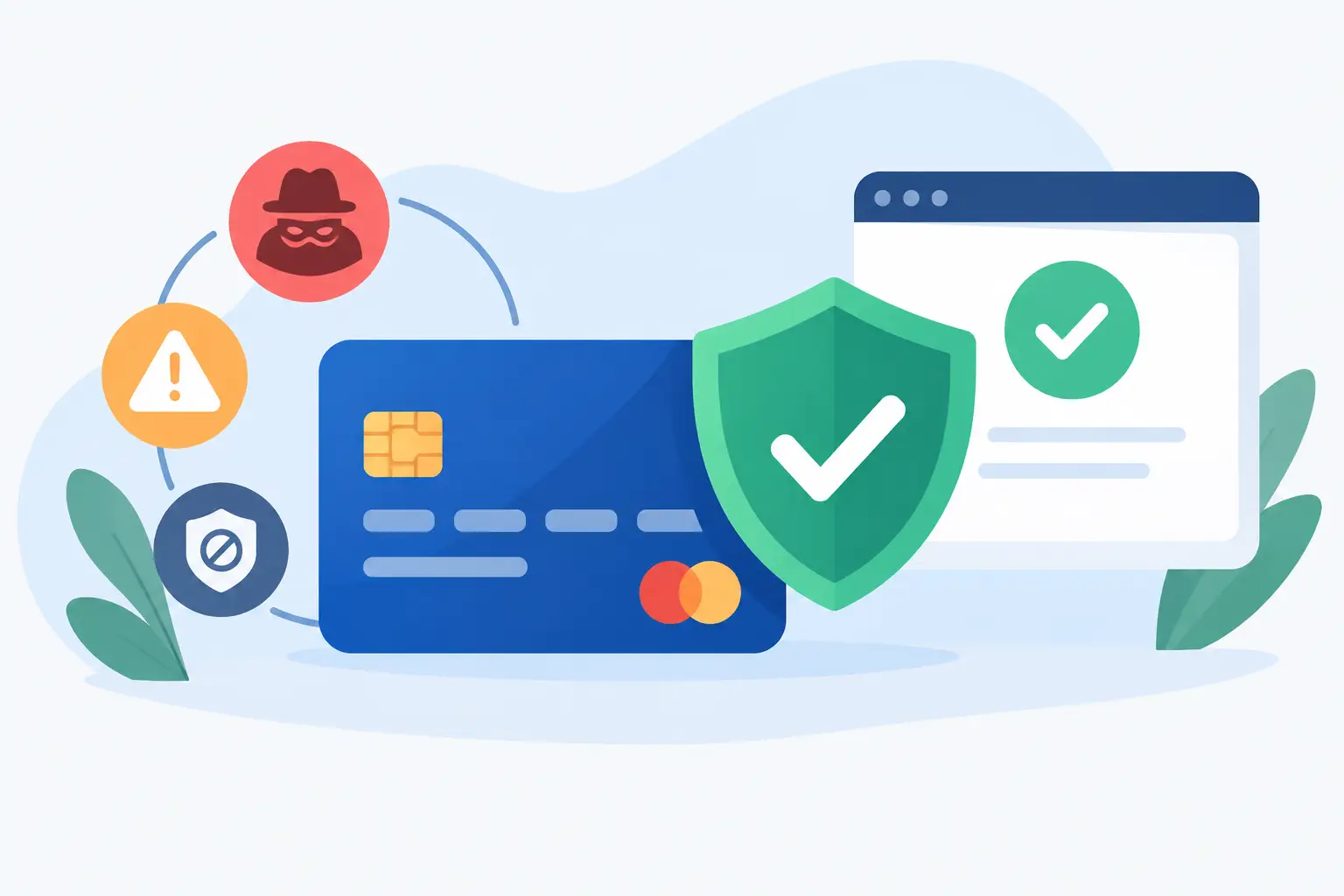
Risk is not a module to add after growth begins. It shapes which merchants you can onboard, which providers will support your volume, and how much revenue survives to settlement.
High-risk verticals require layered protection. Device and behavioral signals, velocity checks, rule-based controls, transaction scoring, blacklist and whitelist management, 3D Secure strategies, and chargeback monitoring all serve different purposes. The right balance depends on the merchant profile and payment flow. Overly aggressive controls suppress fraud but can reject valuable customers. Loose controls may improve short-term approval rates while creating losses, reserve pressure, and provider instability later.
For iGaming, generic fraud tooling is rarely enough. Deposit behavior, bonus abuse, account linkage, rapid withdrawal requests, and shared intelligence across known attack patterns need vertical-specific attention. Chargeback prevention must also connect operational evidence, customer communication, and dispute workflows. Winning more disputes matters, but preventing the transaction pattern that produces them is more valuable.
Your launch process should establish ownership for risk decisions. Decide who can change rules, approve exceptions, place merchant holds, release payouts, and respond to provider alerts. Technology enables speed; governance prevents speed from becoming uncontrolled exposure.
Validate the Technical Foundation Before Volume Arrives
The gateway is a revenue-critical system. It needs to remain responsive through traffic spikes, provider degradation, promotional events, and peak settlement periods. Architecture matters because payment teams need dependable performance as well as feature breadth.
A modern platform should support scalable application services, real-time event handling, secure identity management, resilient data storage, containerized deployment, and layered infrastructure protection. For example, an environment built with .NET 8, React 18, PostgreSQL, Redis, SignalR, Keycloak, Docker, Azure, and Cloudflare can support a high-performance operational stack when it is properly configured and monitored.
Technical due diligence should cover API documentation, webhook reliability, idempotency controls, tokenization, access permissions, audit logs, uptime commitments, monitoring, backup procedures, and incident response. Ask how new provider connections are added, how routing changes are tested, and what happens when a provider times out mid-transaction.
Security and compliance responsibilities should be explicit. A technology partner can supply secure infrastructure and payment functionality, but your business still needs clear accountability for merchant onboarding, data handling, licensing obligations, and financial controls. The precise split depends on the jurisdictions and services involved.
Launch in Stages, Even When Deployment Is Fast
A white label platform can be branded and deployed quickly. ZepoPay, for example, enables deployment under a client’s own identity within 24 hours. That speed is a competitive advantage, but it should not be confused with an invitation to activate every country, merchant type, and payment method at once.
Start with a controlled production scope. Launch the payment methods that matter most for your initial merchants, establish baseline routing and fraud rules, test settlement and reconciliation end to end, and run support scenarios before scaling acquisition. Include successful payments, declines, duplicate callbacks, partial refunds, chargebacks, payout failures, provider downtime, and merchant access issues in testing.
Use the first production cohort to measure the metrics that determine whether the model is working: authorization rate by provider and country, conversion by payment method, fraud rate, chargeback rate, refund processing time, payout success, settlement exceptions, and support resolution time. These measurements tell you where to add providers, adjust routing, change risk rules, or refine merchant segmentation.
The strongest payment businesses do not treat launch as a one-time technical milestone. They treat it as the moment their operating discipline becomes visible. Build the brand around your market opportunity, but build the gateway around the decisions your team will need to make when transaction volume, fraud pressure, and expansion plans all accelerate at once.