How to Integrate Alternative Payment Methods
Learn how to integrate alternative payment methods with orchestration, local rails, smart routing, fraud controls, and settlement visibility at scale.
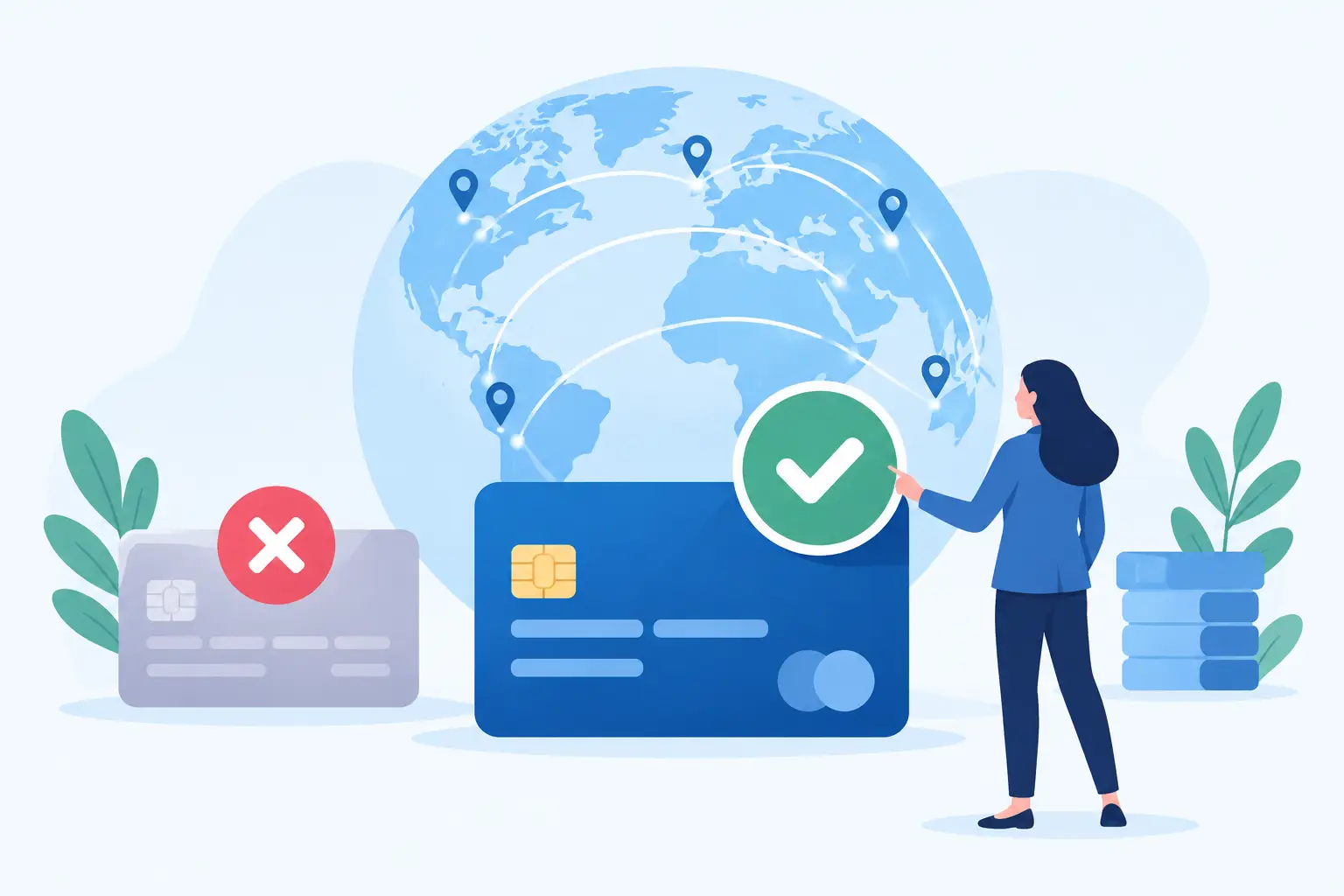
A card-only checkout can look efficient in a product roadmap and still underperform in the markets that matter. A sportsbook entering Latin America, a crypto exchange serving Southeast Asia, or an e-commerce platform expanding across Europe will quickly find that customers often trust local bank rails, wallets, cash-based vouchers, or instant account-to-account payments more than international cards. To integrate alternative payment methods effectively, teams need more than extra checkout buttons. They need payment infrastructure built for routing, risk, reconciliation, and operational control.
For high-volume and high-risk businesses, payment-method expansion is a revenue and risk decision at the same time. The right local method can lift conversion and reduce card-decline exposure. The wrong integration can create fragmented reporting, delayed settlements, duplicate fraud controls, and support teams unable to explain where a customer’s money is.
Start with payment demand, not a method catalog
A long list of methods is not a payments strategy. Prioritize methods based on the behavior of the customers you want to acquire and retain. Analyze deposit attempts, card-decline reasons, withdrawal preferences, device mix, country-level conversion, and the currencies in which customers actually transact.
For an iGaming operator, instant bank payments may be essential for deposits in one market, while a local wallet is the primary retention tool in another. A forex broker may prioritize methods with fast funding confirmation and predictable withdrawal workflows. A marketplace may care more about payout coverage, beneficiary verification, and settlement currencies than consumer checkout alone.
The practical question is not, “Which methods can we add?” It is, “Which payment rails improve approved volume without adding unacceptable operational or fraud cost?” That distinction prevents a common failure mode: launching dozens of methods that have low adoption, poor support coverage, or margins too thin to justify the complexity.
Score methods against commercial and operational fit
Each candidate method should be evaluated against four connected dimensions: local demand, transaction economics, risk profile, and operating requirements. Local demand includes recognition, customer trust, and mobile adoption. Economics include provider fees, FX exposure, refund costs, and settlement timing. Risk includes fraud patterns, dispute availability, account takeover exposure, and whether the method is final or reversible.
Operating requirements are often underestimated. A method may require asynchronous status handling, proof-of-payment workflows, customer reference fields, local entity support, reserve arrangements, or a different withdrawal process from the one used for cards. If the method cannot be reconciled cleanly or supported by your team, its conversion upside can disappear in back-office cost.
Build one integration layer for alternative payment methods
Direct integrations can work for a small, single-market business. They become difficult to govern when a PSP, operator, or aggregator is coordinating multiple providers across regions. Every separate connection introduces another API format, webhook behavior, authentication model, settlement file, dashboard, and incident path.
A payment orchestration layer changes the operating model. Instead of embedding provider-specific logic throughout the checkout and merchant stack, the business connects once to a unified API and manages method availability, routing rules, transaction states, and reporting from a central environment.
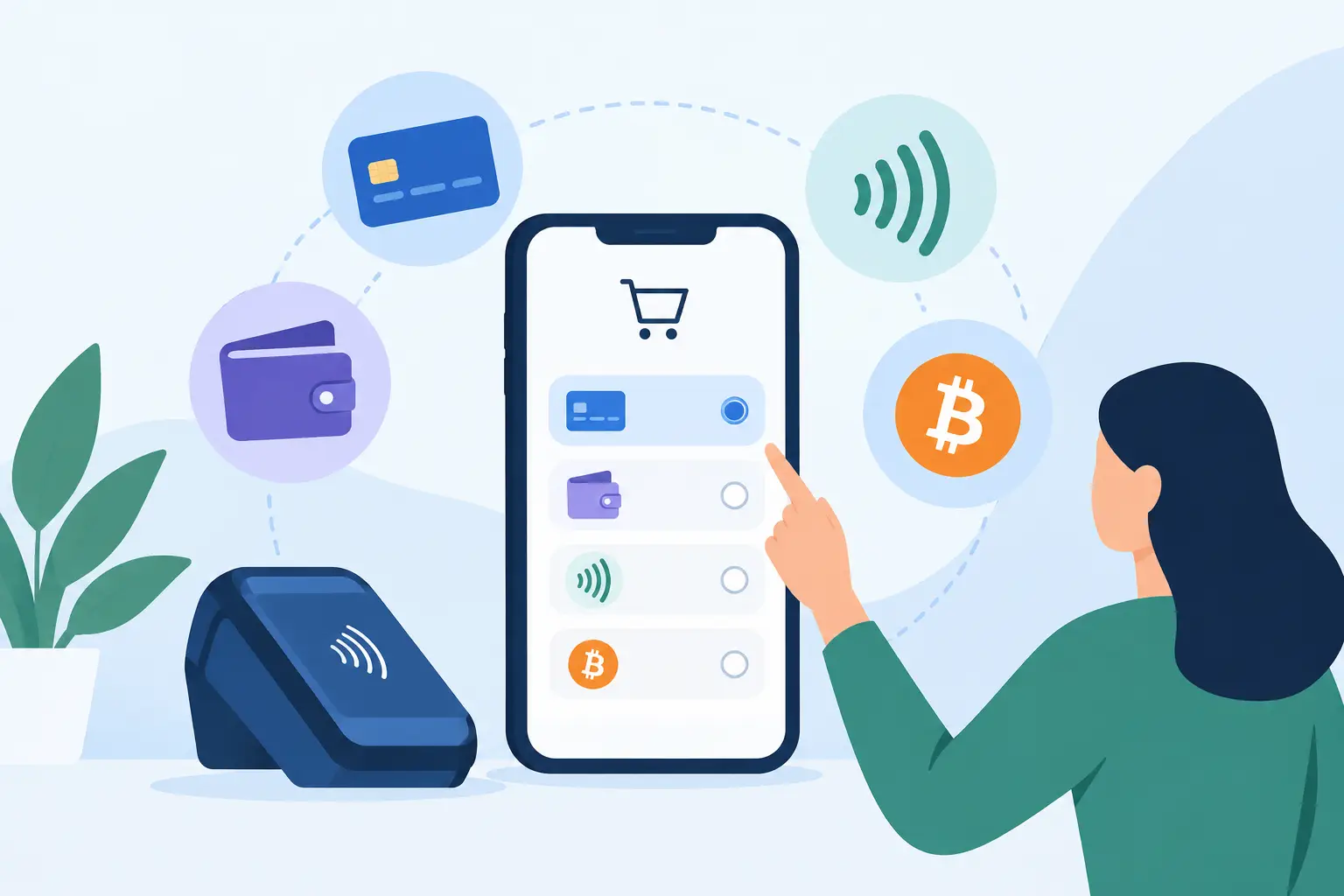
This is the difference between adding payment methods and running a payment operation. A centralized layer should normalize payment flows across cards, bank transfers, wallets, vouchers, crypto, and local rails while retaining the provider-level data needed for finance, compliance, and dispute handling.
For white-label payment businesses, this architecture also protects brand ownership. Merchants can access payment pages, reporting, support workflows, and onboarding tools under your domain and visual identity rather than being exposed to a patchwork of third-party portals.
Design for asynchronous payment states
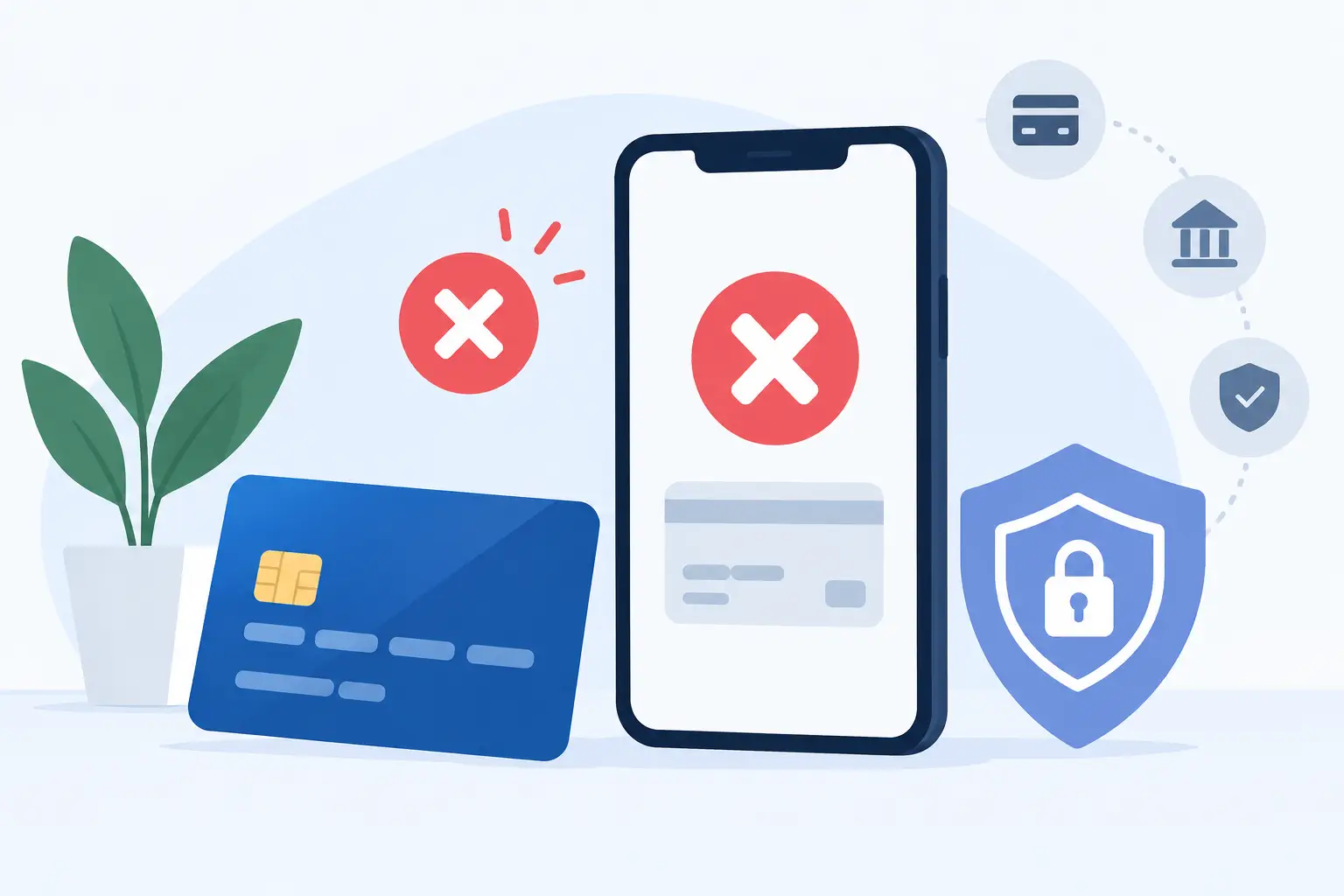
Many alternative methods do not behave like a card authorization. A customer may be redirected to a bank app, scan a QR code, complete a transfer later, or authorize a payment that settles after an initial pending status. Treating these flows as synchronous creates false failures, duplicate payment attempts, and unnecessary support contacts.
Your integration should maintain a clear state model for initiated, pending, authorized, paid, failed, expired, refunded, chargeback, and reversed transactions. Webhooks must be verified, idempotent, and traceable. If a provider sends the same confirmation more than once, the platform must not credit a gaming wallet, release crypto, or fulfill an order twice.
Customer messaging matters here as much as API handling. A pending bank transfer should show a clear status and expected next step. A payment that requires an external app should preserve the customer’s session when they return. Friction is not always avoidable, but uncertainty usually is.
Route by performance, not provider preference
Alternative payment coverage creates options. Orchestration turns those options into measurable performance. Once multiple providers support the same market or method, route transactions using live rules instead of static commercial assumptions.
Rules can consider country, currency, transaction amount, merchant category, customer history, issuer or bank behavior, provider availability, approval performance, fee bands, and risk score. A payment method that performs well for a low-risk retail order may be unsuitable for a high-value crypto purchase or a first-time gaming deposit.
Smart routing also needs guardrails. Blind cascading can raise authorization rates while increasing fees, duplicate attempts, or fraud exposure. Set limits on retries, block unsuitable routes before the customer reaches them, and distinguish technical declines from hard customer declines. A customer who lacks funds should not be sent through three providers. A temporary provider timeout may justify a controlled fallback path.
The best routing strategy is market-specific and continuously reviewed. Approval rate is a core metric, but it is not the only one. Measure completed deposits, successful withdrawals, time to settlement, cost per approved transaction, fraud losses, dispute rate, and support contacts per method.
Treat fraud controls as part of the integration
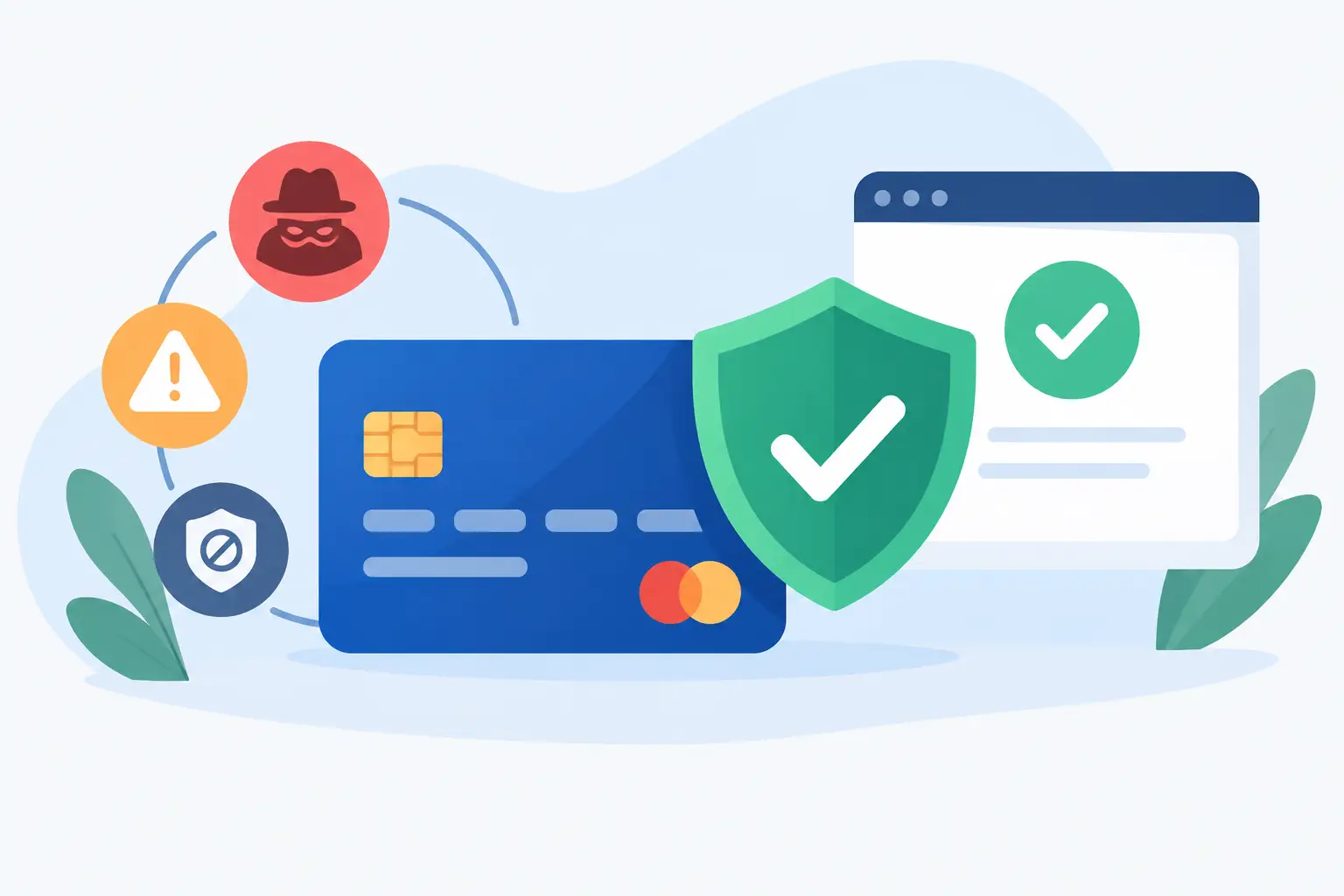
Alternative methods can reduce traditional card chargebacks, but they do not remove fraud risk. Fraud simply changes shape. Account takeover, bonus abuse, mule accounts, social engineering, stolen bank credentials, and fraudulent refund requests can all increase when payment-method coverage expands.
Risk controls should operate before, during, and after the transaction. Before payment, evaluate identity signals, device reputation, geolocation, velocity, account age, and behavioral patterns. During payment, apply amount limits, step-up checks, and method eligibility rules. After payment, monitor withdrawal behavior, linked accounts, unusual payment reversals, and cross-merchant patterns where your business model permits shared intelligence.
For iGaming in particular, deposit and withdrawal controls must be connected. Blocking a risky deposit is useful, but the more expensive failure can be allowing rapid cash-out from a compromised account or bonus-abuse network. Payment data needs to inform player risk, and player behavior needs to inform payment routing.
ZepoPay’s white-label infrastructure is designed around this operational reality, combining 75+ providers and 250+ methods with centralized routing, merchant operations, and high-risk fraud controls. The value is not simply broader coverage. It is having one environment where method performance, risk decisions, and settlement activity can be managed together.
Make settlements and reconciliation visible from day one
A payment is not operationally complete when the customer sees a success screen. Finance teams still need to know which provider collected the funds, what fees were deducted, when the money will settle, whether FX was applied, and how the transaction maps to a merchant balance.
Alternative methods often settle on different schedules and in different currencies. Some provide detailed transaction references; others require matching against bank statements or provider reports. Build a reconciliation model that preserves a unique internal transaction ID alongside provider references, customer references, settlement batch IDs, and ledger entries.
Your merchant operations environment should make it possible to answer basic but urgent questions quickly: Has this customer paid? Has the provider confirmed it? Has the merchant been credited? Can this transaction be refunded? Which settlement batch contains it? When an exception occurs, operations teams should not need to export files from five portals and manually join them in a spreadsheet.
Withdrawal workflows deserve equal attention. Customers judge a payment experience by how easily they receive funds, not only by how quickly they can deposit. Validate destination ownership where required, apply withdrawal risk rules, provide transparent status updates, and account for method-specific payout limits and cutoffs.
Launch in controlled market waves
The fastest route to broad coverage is not necessarily a global launch on day one. Start with markets where customer demand, provider readiness, licensing posture, support capability, and settlement operations are aligned. Establish baseline metrics before adding more methods so you can identify whether each launch improves the business.
A controlled rollout should include production monitoring, provider failover tests, fraud-rule review, support scripts, reconciliation validation, and a defined owner for incidents. Test the entire lifecycle, including cancellations, delayed confirmations, refunds, duplicate webhooks, partial failures, and withdrawals. Happy-path testing is not enough for a payment stack handling real volume.
As coverage expands, preserve configuration control. Product teams need to decide which methods appear to which users. Risk teams need to set eligibility and limits. Finance needs reliable settlement data. Operations needs case-management visibility. Engineering needs stable APIs and observability. A platform that forces all of those teams into separate tools will eventually slow expansion.
The goal is not to display every possible payment logo. It is to give the right customer the right local rail, with a payment path your business can approve, reconcile, support, and scale with confidence.