Crypto Payment Gateway for Exchanges That Scales
A crypto payment gateway for exchanges needs smart routing, wallet controls, compliance workflows, and reliable settlement across global payment rails.
Exchange growth rarely breaks because of trading volume alone. It breaks when a card issuer declines a legitimate fiat purchase, a local bank rail times out, a withdrawal queue needs manual review, or finance cannot reconcile provider balances against customer ledger entries. A crypto payment gateway for exchanges must handle these moments as operating conditions, not exceptions.
For an exchange, payments infrastructure sits between customer acquisition, compliance, treasury, fraud operations, and user trust. It must support deposits and withdrawals across currencies and regions while preserving a clear record of who paid, which provider processed the transaction, what funds are available, and when they can be settled. The objective is not simply to add more payment methods. It is to raise approval rates, control fraud exposure, and keep money movement predictable as the exchange expands.
What a Crypto Payment Gateway for Exchanges Must Control
A consumer checkout integration may be enough for a low-volume digital merchant. An exchange needs a payment operating layer. The difference is material: exchanges manage higher-risk transaction patterns, rapid changes in customer behavior, multiple currencies, and a direct connection between payment acceptance and the ability to acquire or withdraw digital assets.
The gateway should centralize provider connections, payment method logic, transaction routing, merchant configuration, settlement reporting, and operational support. This gives the exchange one control plane instead of a collection of disconnected dashboards, APIs, exports, and manual reconciliation procedures.
At minimum, the platform should manage five connected functions:
- Fiat deposits through cards, bank transfers, wallets, and local alternative payment methods.
- Fiat withdrawals with configurable limits, beneficiary checks, and transaction status visibility.
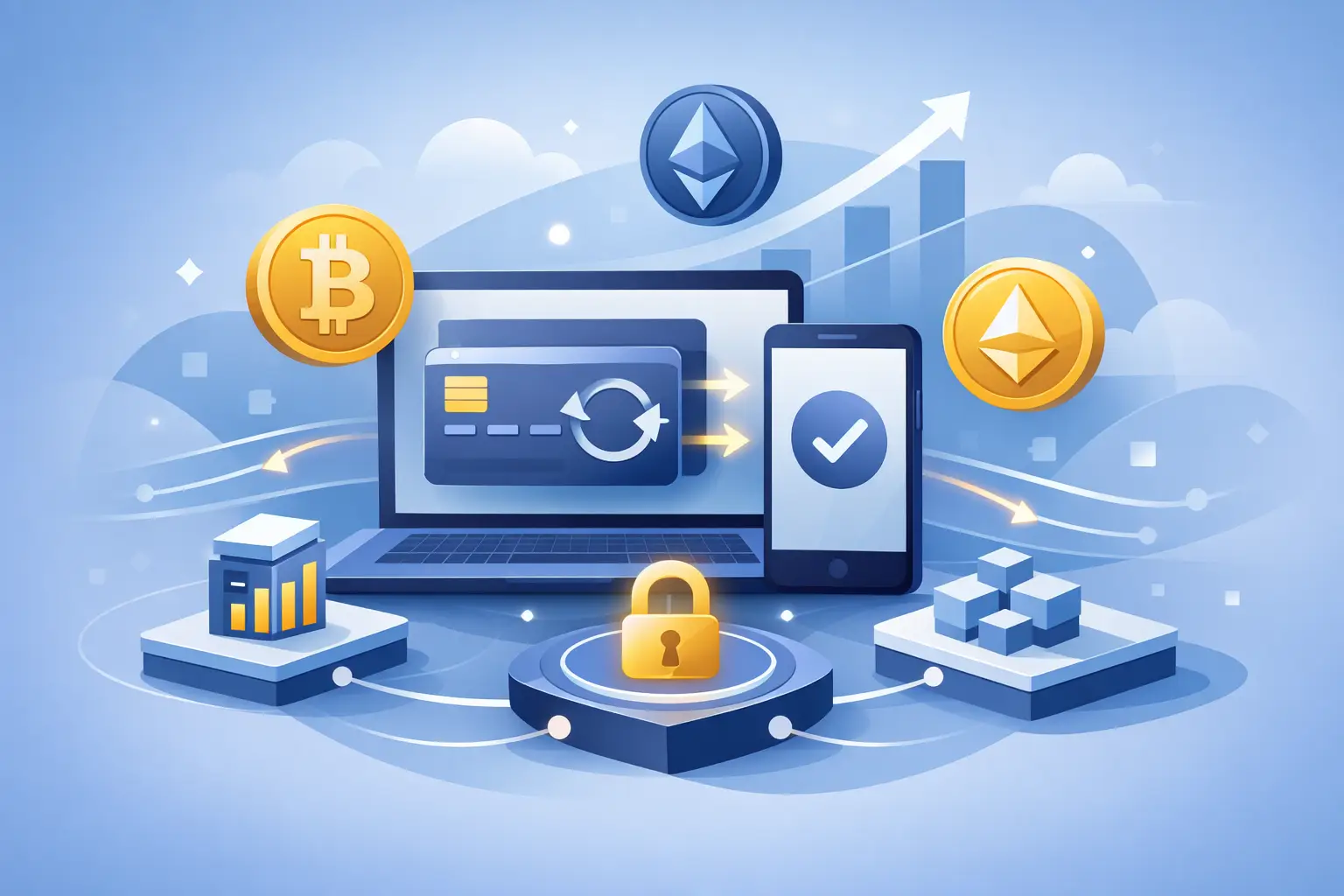
- Crypto deposit and withdrawal workflows that connect payment events to internal ledger and wallet operations.
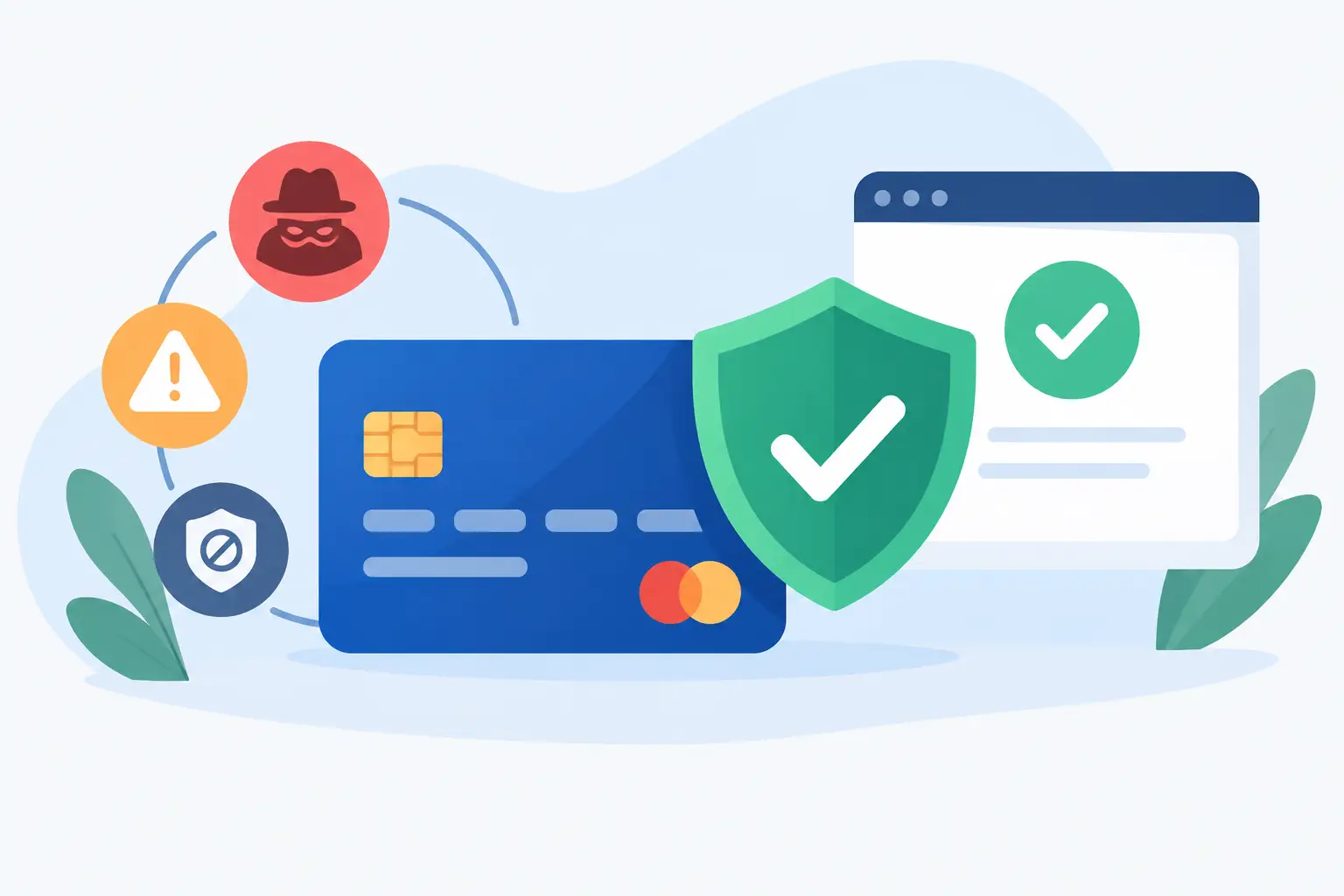
- Risk decisions that account for fraud signals, velocity, geography, device behavior, and payment-method-specific rules.
- Settlement and reconciliation processes that distinguish authorized, captured, paid, reversed, refunded, disputed, and settled transactions.
Treating these as separate projects creates blind spots. A customer can pass onboarding but fail at payment authentication. A payment can be approved but later charged back. A withdrawal can be technically sent but remain unresolved in a finance report. The gateway needs to preserve the relationship between every stage.
Approval Rates Depend on Routing, Not Just Provider Count
Adding providers without orchestration often increases complexity without improving conversion. Each acquirer, bank rail, wallet, or crypto service has different acceptance criteria, supported countries, processing windows, reserve requirements, and risk tolerance. The correct provider for a U.S. card deposit may be the wrong one for a Brazilian local payment method or a high-value European bank transfer.
Smart routing turns those differences into a commercial advantage. The gateway should select a path based on payment method, currency, issuer region, transaction value, historical approval performance, risk score, and provider availability. It should also apply controlled failover when a processor is degraded or a transaction is declined for a recoverable reason.
Routing must be measured, not assumed. Payment teams need visibility into approval rates by provider, issuer country, method, currency, merchant entity, and decline reason. A 5% decline rate can look acceptable until the data shows that one region, one issuer range, or one 3DS flow accounts for most lost deposits.
There is a trade-off. Aggressive retry logic can recover legitimate transactions, but it can also create duplicate charges, higher network fees, and fraud pressure. Good orchestration uses rules that are specific enough to improve conversion without sending every transaction through multiple processors.
Design the Deposit and Withdrawal Experience Separately
Deposits and withdrawals are linked in the customer journey, but they should not share the same risk posture. Deposits face card fraud, friendly fraud, account takeover, and payment credential misuse. Withdrawals face account takeover, mule activity, beneficiary manipulation, and rapid movement of funds after a compromised payment event.
For deposits, the exchange needs adaptive authentication, device and velocity checks, payment limits, and clear transaction states. It also needs a way to reserve or restrict access to funds when risk signals require review. Immediate crypto crediting may improve conversion, but it increases loss exposure if a card transaction is disputed later.
For withdrawals, controls should include step-up verification, cooling-off periods after sensitive account changes, beneficiary validation, address risk screening where applicable, velocity thresholds, and role-based approval queues for high-value activity. The right controls depend on the market, user segment, and product model. A professional trader with an established history should not experience the same friction as a newly created account making its first high-risk withdrawal.
The gateway must send reliable event data to the exchange ledger, risk engine, CRM, and support environment. Webhooks alone are not enough unless they are idempotent, retried safely, and reconciled against provider status updates. Payment status should be operationally accurate, not merely technically received.
Build for Regional Payment Behavior
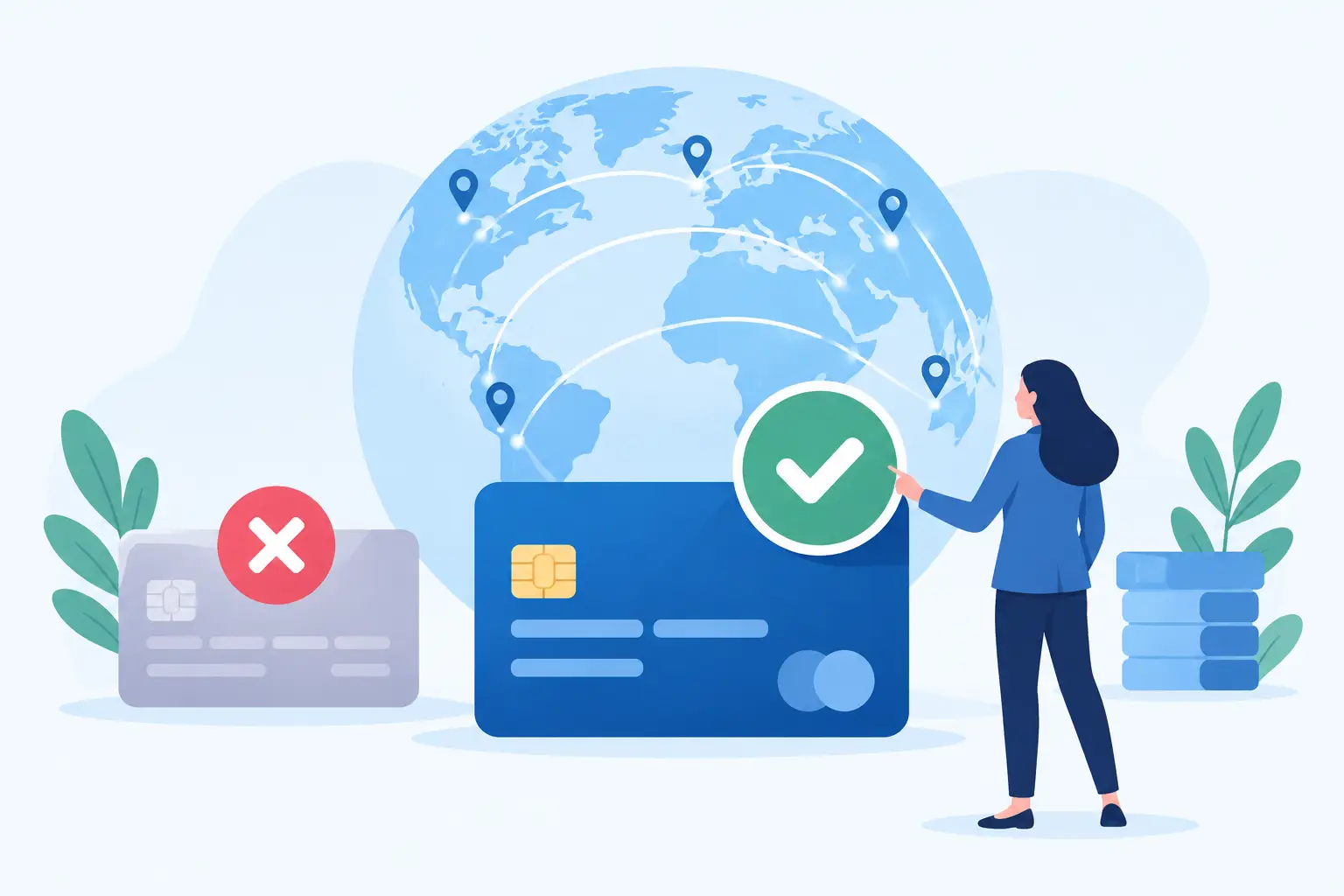
Global expansion is not a card-acquiring exercise. In many markets, local bank transfers, mobile wallets, instant payment rails, and alternative payment methods carry more customer trust and higher conversion than international cards. An exchange that only offers card payments may have brand recognition but still lose funded accounts at the final step.
The gateway should let teams configure payment methods by country, currency, customer risk tier, transaction range, and legal entity. It should also support localized payment flows without forcing product teams to build a separate integration for every provider.
This is particularly relevant where payment methods have different settlement speeds and refund mechanics. A real-time account-to-account transfer may reduce card chargeback exposure, but it can create a different reconciliation and customer-support workflow. A wallet can offer strong mobile conversion, while a bank transfer may better serve larger account funding. The optimal payment mix is market-specific.
A white-label model is useful when the exchange wants control over the customer experience and commercial relationships. Instead of sending users through a third-party branded journey, the business can operate under its own domain, visual identity, and terms while configuring its payment stack centrally.
Risk Operations Need More Than a Fraud Score
Exchange fraud is rarely a single event. It often appears as a sequence: account creation, identity verification, device changes, payment attempts, deposit crediting, trading activity, and withdrawal. A gateway that only scores the card transaction sees too little of the pattern.
Payment risk controls should combine provider fraud tools with exchange-owned data. Useful signals include account age, login changes, device reputation, transaction velocity, issuer response codes, past disputes, payment instrument reuse, geographic anomalies, and withdrawal behavior after a deposit. Shared fraud intelligence can strengthen detection when it is applied with clear rules and appropriate governance.
Operations teams also need case management. Automatic declines are necessary, but so are review queues that explain why a transaction was flagged, who owns the decision, what evidence is available, and how the outcome affects future rules. This is where high-risk payment operations become manageable rather than reactive.
Chargeback prevention deserves special attention. The best dispute is the one that never reaches the issuer. Clear descriptors, reliable customer communications, authentication data, transaction evidence, and prompt refund workflows all reduce avoidable disputes. When a dispute does occur, the gateway should preserve the payment trail needed for representment and financial reporting.
Infrastructure Choices Affect Payment Resilience
At exchange scale, payments cannot depend on a single provider endpoint or a fragile custom integration. The platform needs high availability, API observability, granular permissions, audit logs, encrypted data handling, and controlled deployment processes. It also needs enough flexibility for payment teams to change routing rules and limits without waiting for a full engineering release.
A modern architecture can separate real-time transaction handling from reporting and back-office workloads. Technologies such as .NET 8, React 18, PostgreSQL, Redis, SignalR, Keycloak, Docker, Azure, and Cloudflare can support responsive operational tooling, secure access management, and resilient service delivery when implemented as part of a coherent platform architecture.
For payment firms and exchanges that do not want to build this layer internally, a white-label infrastructure provider can shorten the path to launch. ZepoPay combines 75+ providers and 250+ payment methods in a deployable operating environment designed for branded payment operations, routing, settlement, and risk management.
The decision should still be commercial as well as technical. Evaluate data ownership, provider portability, settlement controls, service-level expectations, support coverage, and the ability to adapt the platform as licensing, product scope, and geographic footprint change.
A high-performing gateway does not make payment risk disappear. It gives the exchange the controls, visibility, and routing intelligence to make faster decisions when risk, volume, and customer demand arrive at the same time.